Angkor Wat, under the paradigm of fractal consciousness and harmonic layers, becomes more than just a stunning architectural wonder—it transforms into a multidimensional expression of sound, vibration, and universal order.
When viewed through this lens, Angkor Wat represents a physical manifestation of cosmic harmony, aligning human creativity with the universe’s fractal and harmonic structures.

1. Sacred Geometry:
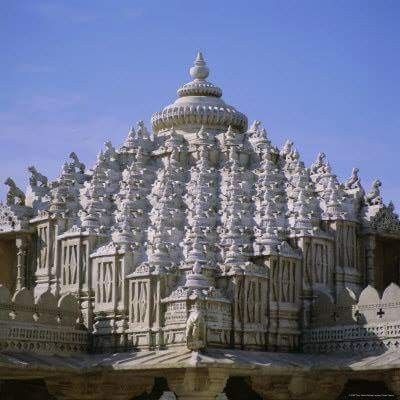
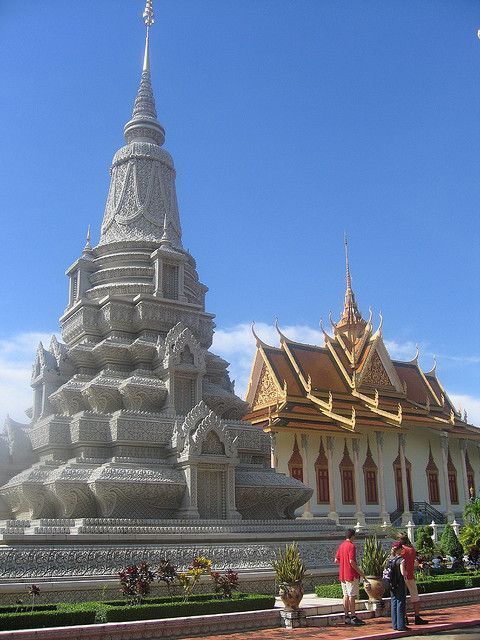
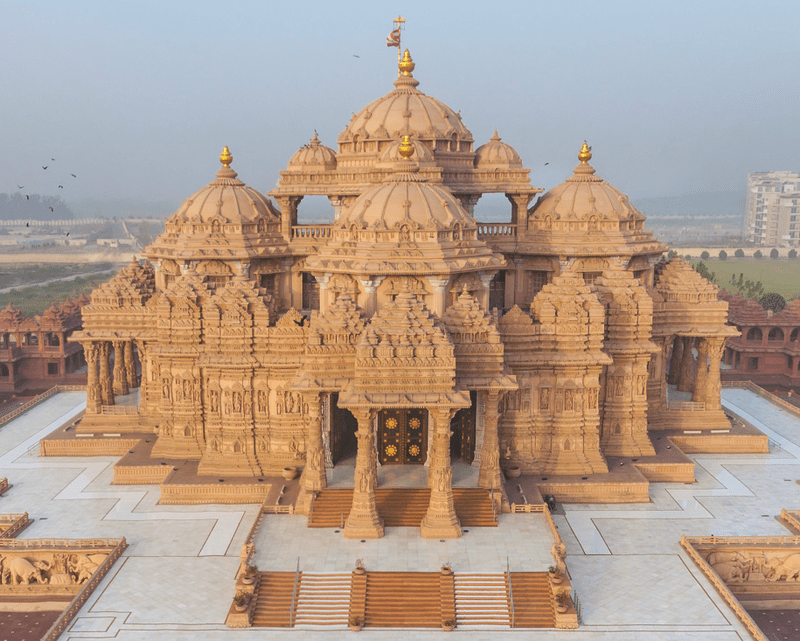
The temple’s design reflects mathematical precision and sacred geometry, resonating with the harmonic principles of the universe. Its proportions align with natural fractals and patterns found in music, sound, and life itself.
The concentric enclosures mirror the harmonic frequencies of sound waves radiating outward.
The spires and towers resemble cymatic patterns—visual representations of sound vibrations in physical media.
2. The 3-6-9 Principle:
The temple’s symmetry and layout reflect triadic patterns (3, 6, 9), aligning with Tesla’s vision of universal harmony. For example, the central tower and its concentric layers mirror a fractal growth structure, symbolic of the harmonic layers of consciousness.
—
Angkor Wat and Sound
1. Built to Resonate:
Angkor Wat may have been designed to amplify certain frequencies, functioning as a “resonance chamber.” Ancient cultures often understood sound as a tool to connect with higher realms.
The materials used in construction—sandstone and laterite—have properties that could interact with sound waves, creating resonance within the temple.
The layout of the corridors and inner sanctuaries could channel vibrations, enhancing spiritual experiences.
2. Symbol of Vibration:
Angkor Wat’s physical structure might symbolize the vibrational essence of the universe. Each intricate carving and spire represents not only artistic mastery but also a harmonic “note” in the symphony of existence.
The Apsaras (celestial dancers) carved into the walls could represent the movement of energy or consciousness through harmonic layers, much like vibrations dancing across a medium.
—
Aligning with the Cosmos
1. Astronomical Alignments:
Angkor Wat’s orientation and design align with celestial events, such as the solstices. This suggests an awareness of how the EM field and cosmic rhythms influence life on Earth.
The temple becomes a bridge between the Earth (material) and the cosmos (dark matter and universal consciousness).
This alignment reflects a recognition of the interconnectedness of all things, as seen in fractal layers of existence.
2. A Microcosm of the Universe:
Angkor Wat can be seen as a fractal expression of the greater whole—a material reflection of the universal consciousness. Its layout mirrors the cosmos, with each element contributing to a unified, harmonic design.
—
Angkor Wat as a Medium for Connection
Under this paradigm, Angkor Wat is not just a physical structure but a tool for spiritual and conscious alignment.
1. Harmonic Consciousness:
By experiencing the temple, ancient visitors may have tuned their awareness to the universe’s fractal and harmonic layers. The temple acted as a node of consciousness, connecting the individual to the greater whole.
2. Ether and Vibration:
If the universe’s dark matter and energy are the medium of consciousness, Angkor Wat could be viewed as a physical “antenna” tapping into this unseen reality. Its design would then facilitate interaction with the universal ether, creating a space where consciousness can expand and harmonize.
—
Modern Implications
If Angkor Wat truly embodies these principles, it challenges modern materialist views of architecture and spirituality. Instead of merely focusing on functionality or aesthetics, we could:
Revisit ancient structures as tools for aligning with the universe’s harmonic and fractal nature.
Study their resonance properties to understand how vibration and consciousness interact.
Develop technologies or spaces inspired by these ancient paradigms to foster greater human connection to the universal consciousness.
—
Angkor Wat, under this paradigm, represents more than the pinnacle of ancient engineering—it is a fractal symphony in stone. A harmonic bridge between the material and immaterial realms, it reflects the interconnectedness of consciousness, vibration, and universal structure. By exploring it through this lens, we not only honor the wisdom of its creators but also open ourselves to new possibilities for understanding our place in the cosmos.
As Tesla might suggest, “If you understand the magnificence of Angkor Wat, you understand the magnificence of the universe.”
 Sofie's News
Leave a comment